Monday, May 14, 2018

Taylor Knights opens up garden views at Melbourne home with glass-fronted extension


Australian studio Taylor Knights has linked a house in Melbourne to its garden with a modest brick extension, and taken subtle cues for its interiors from the colours in an abstract painting by Wassily Kandinsky.
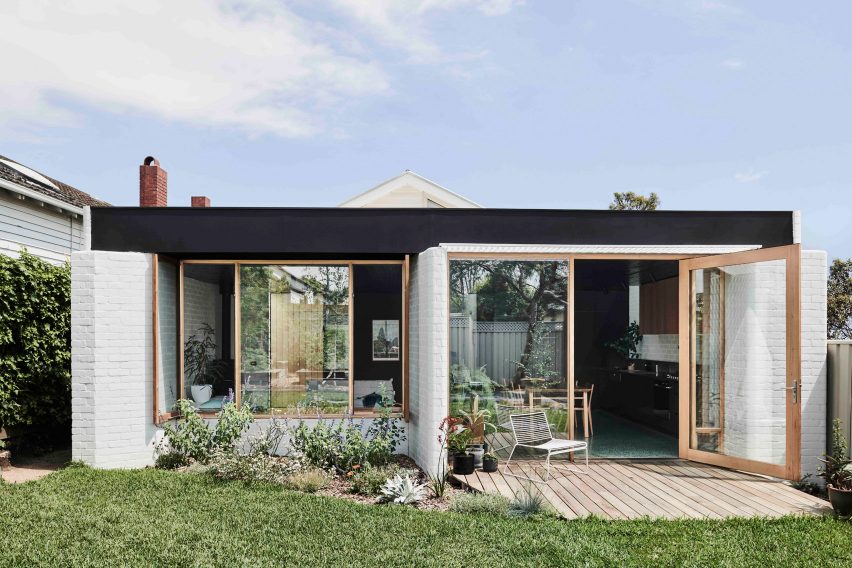
The single-storey property is located in the city's Brunswick West suburb, and belongs to a creative couple and their child.

They approached local practice Taylor Knights to create an extension that would offer a better visual connection between the existing home and its sizeable back garden, which was being obscured by a "rabbit-warren of compartmentalised rooms".


Wanting the Brunswick West House to act as a calming retreat, the clients also requested that the architects establish private and communal areas where they can relax together as a family or spend time alone.
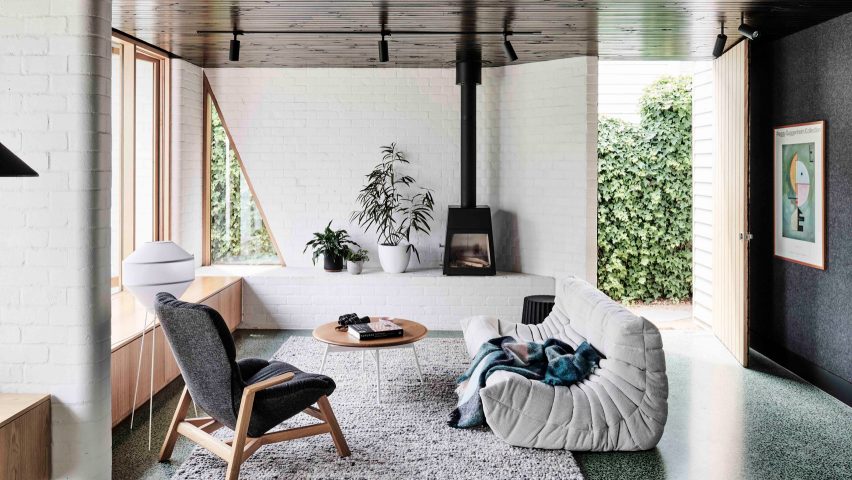
With this in mind the architects decided to erect a rectilinear volume to hold a new open-plan dining and sitting room – bedrooms and bathrooms have been contained to the pre-existing part of the home.

An outdoor path sprawling with ivy has been made into the home's entranceway, which leads to a door that straddles the old and new sections of the property.

"This approach enabled the home to operate succinctly in two halves: the original rooms now accommodate more private activities, while the addition forms its new social heart," explained the practice in a statement.
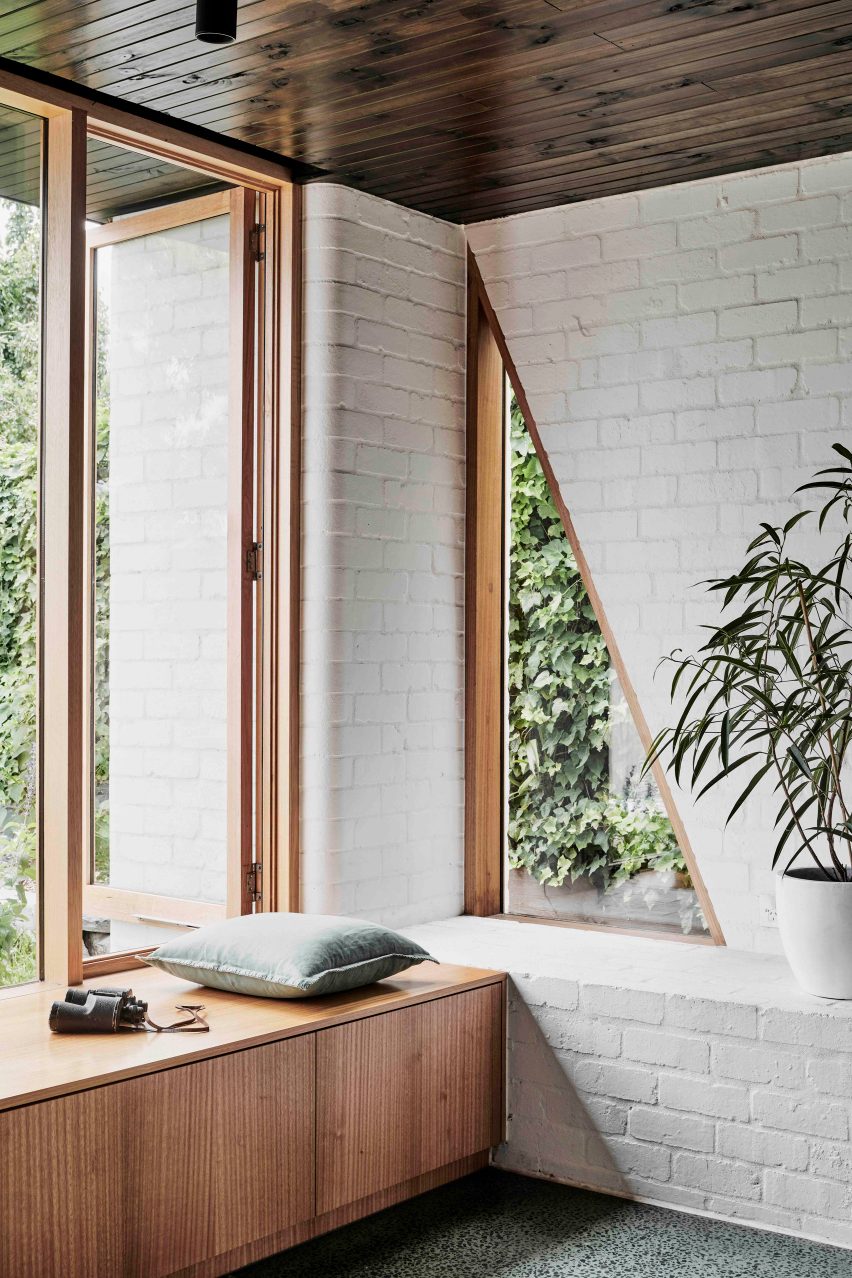
The extension is fronted by large panels of timber-framed glazing that provide uninterrupted views of the garden and can be pushed open to provide ventilation throughout the summer months.

TACO creates its own pink-toned architecture studio on Mexico's Yucatan Peninsula


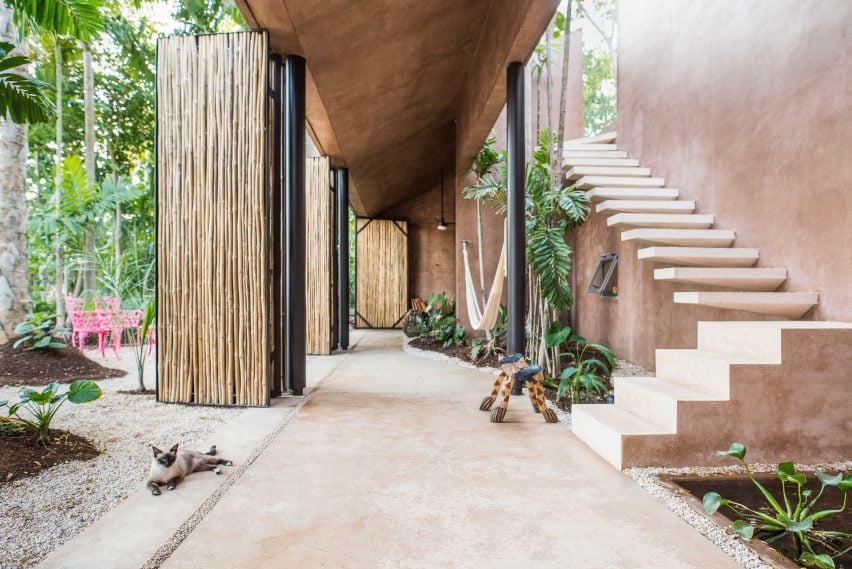
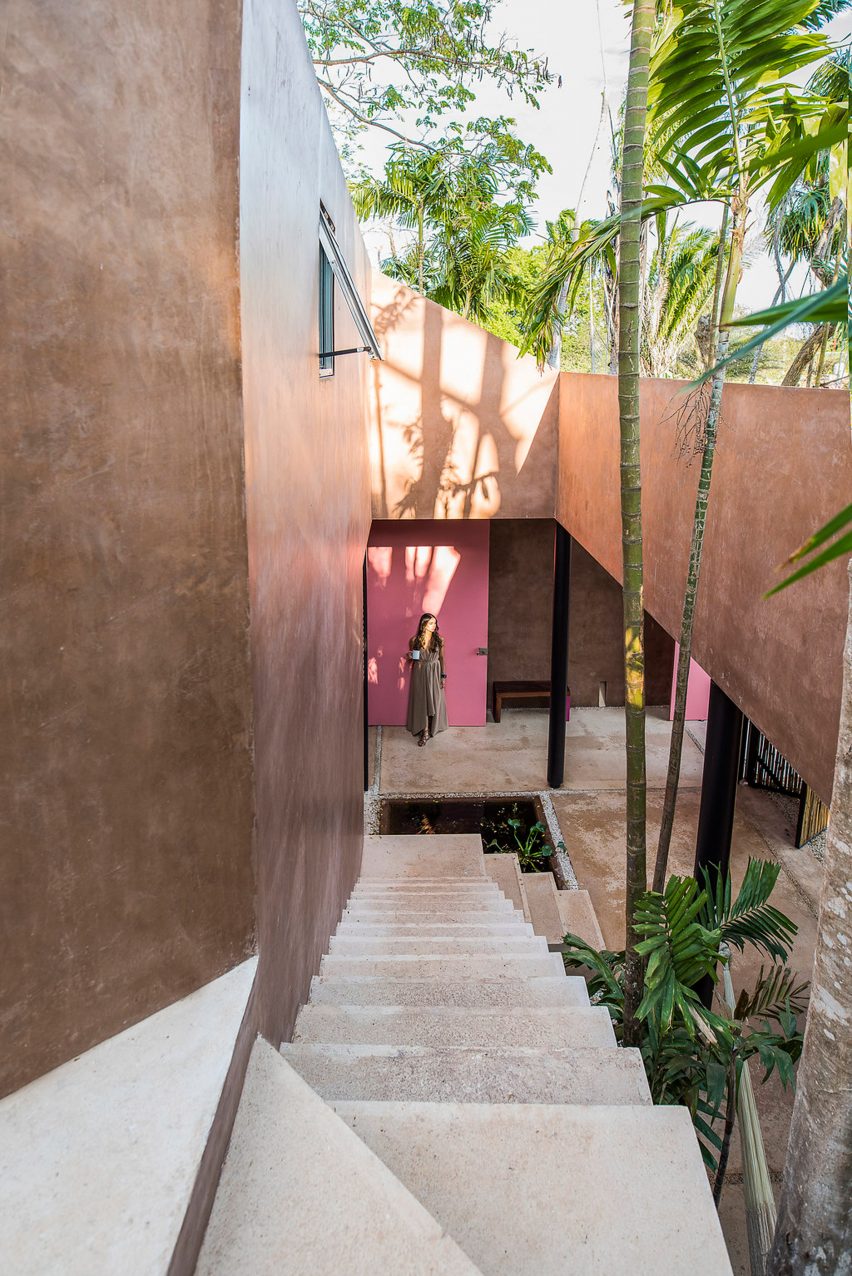
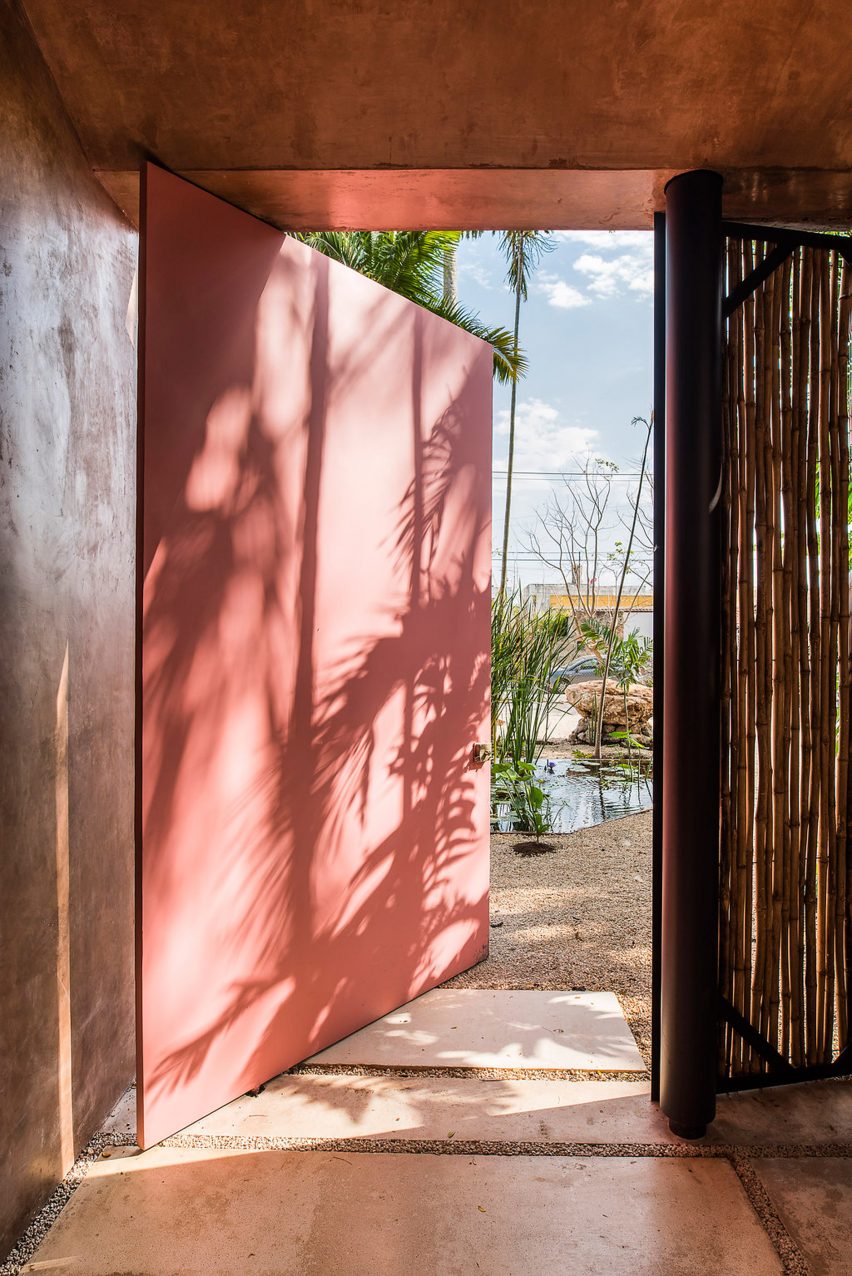
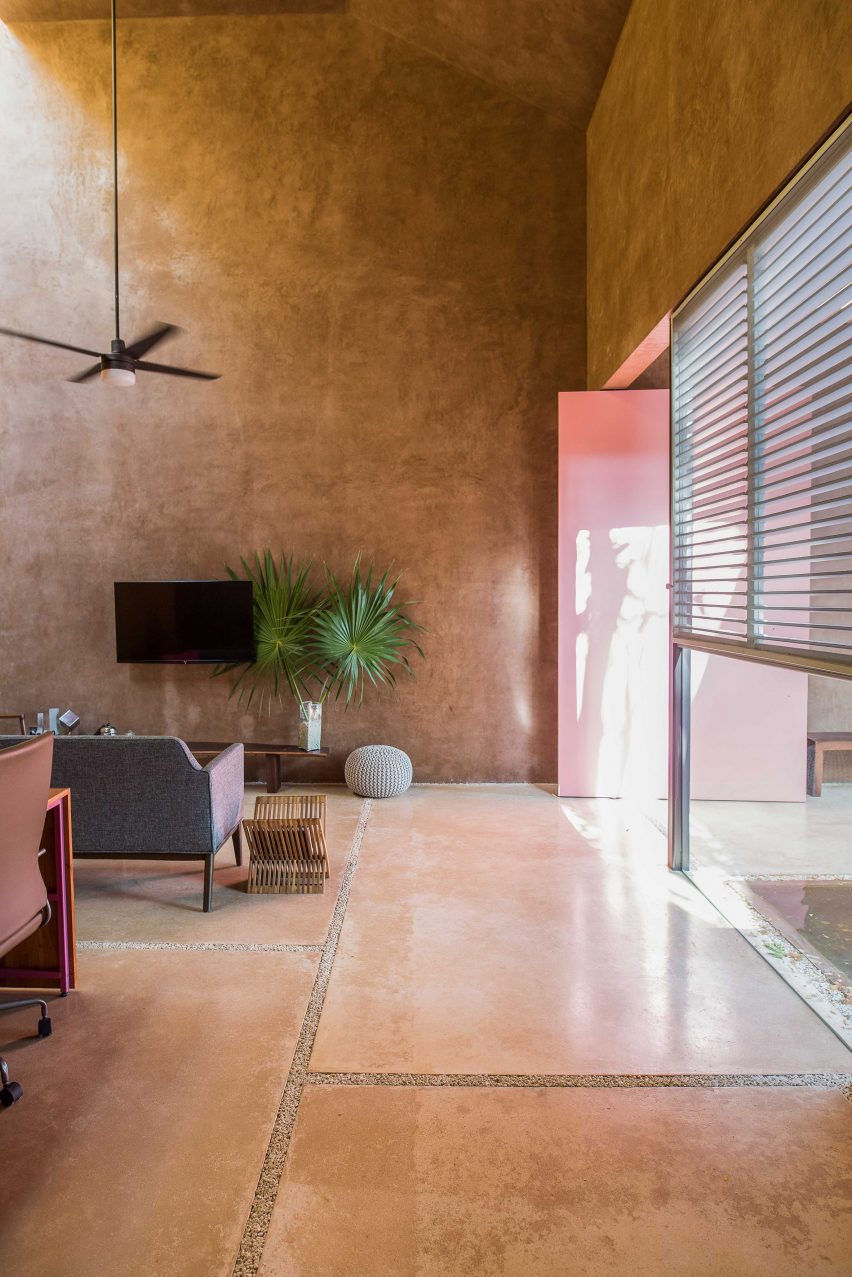
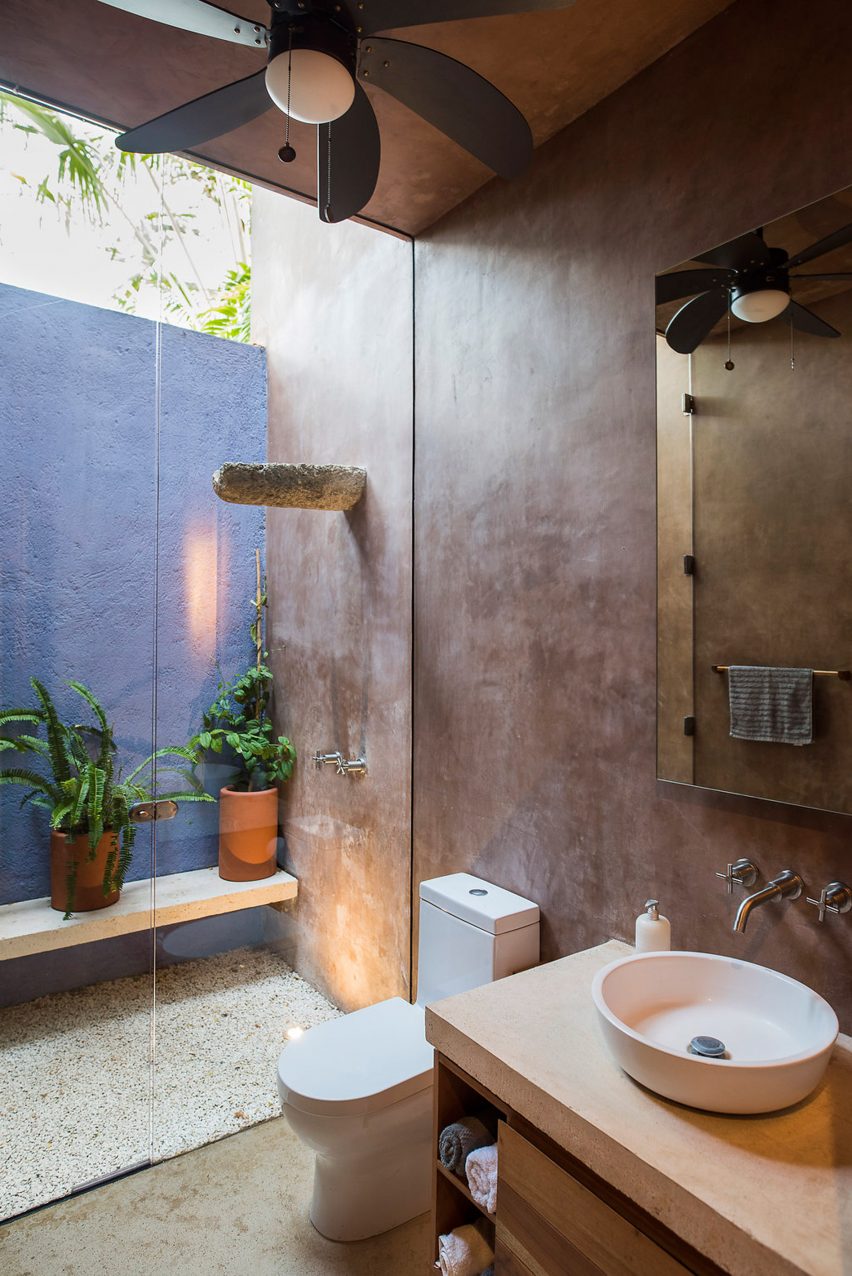
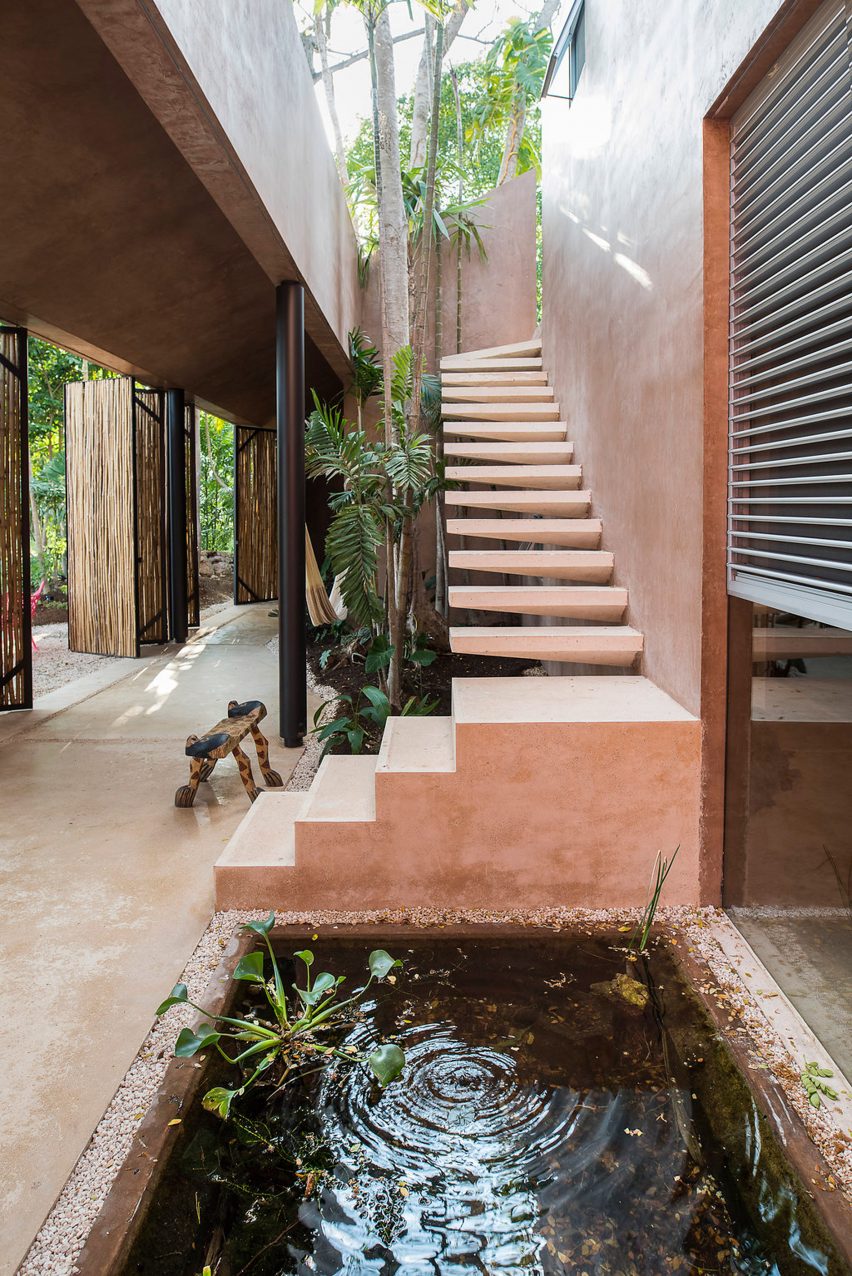
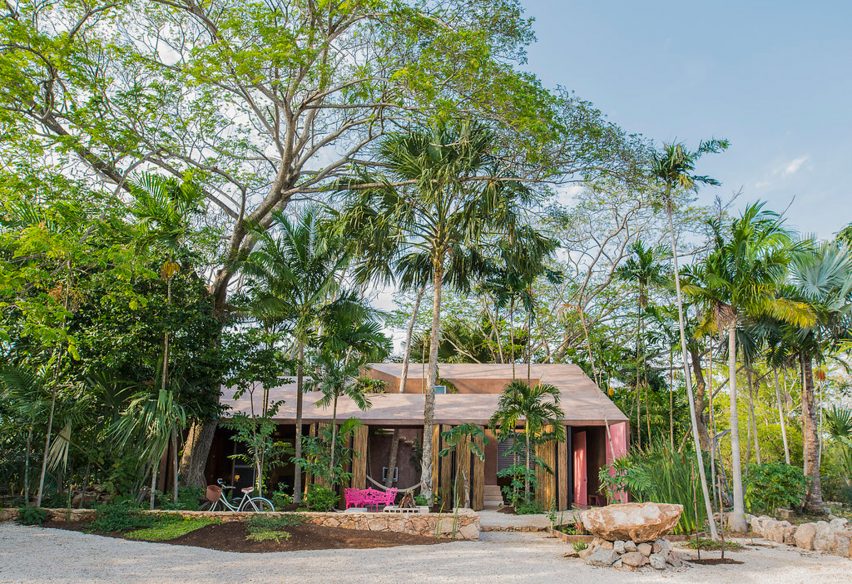
Mexican architecture firm TACO has designed the Portico Palmeto studio to act as its headquarters, with pink walls, local materials, and tall shutters that open up the interior to its tropical setting.

The 1,453-square-foot (135-square-metre) rose-coloured building serves primarily as an architecture studio in Mérida – a historic city on Mexico's Yucatan Peninsula.

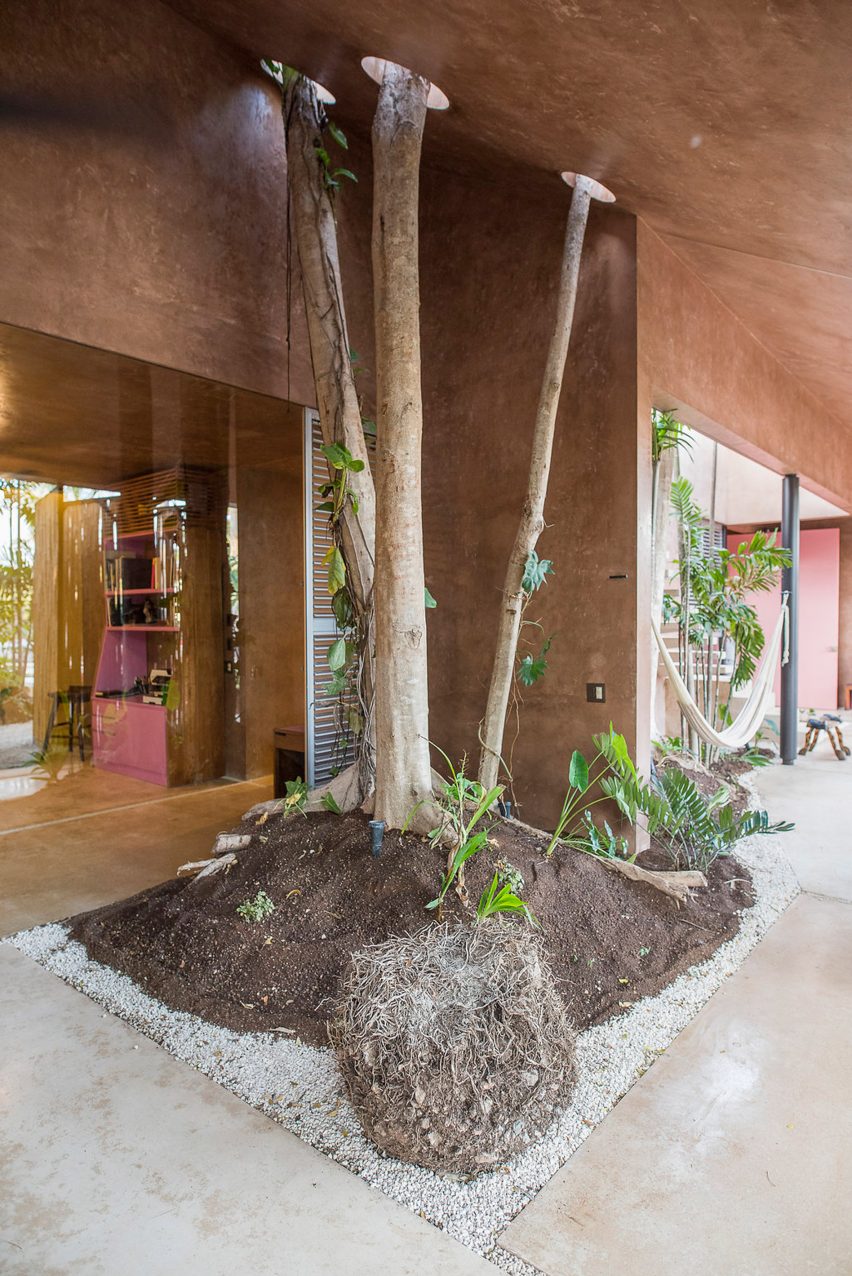
The two-storey structure has a hollow centre filled with lush foliage, similar to its surroundings.


Taller de Arquitectura Contextual, or TACO, led the entire project for itself – encompassing architecture, construction, landscaping and interior design.

"The objective was to develop a way of living in a natural and social environment, and at the same time of being a functional, versatile and inspiring building for the activities that would be developed in it," said TACO.

The architects wanted to stray from the notion of conventional workplaces and create a more homely atmosphere within the building.

"The spaces were designed away from a stereotype related to a traditional workspace, and focus on making the experience of working in it more welcoming and domestic," said the studio.

On the ground floor are rooms for working, along with a kitchen that overlooks a small courtyard. Outdoor steps lead to living areas and two bathrooms, as well as an open-air roof terrace.

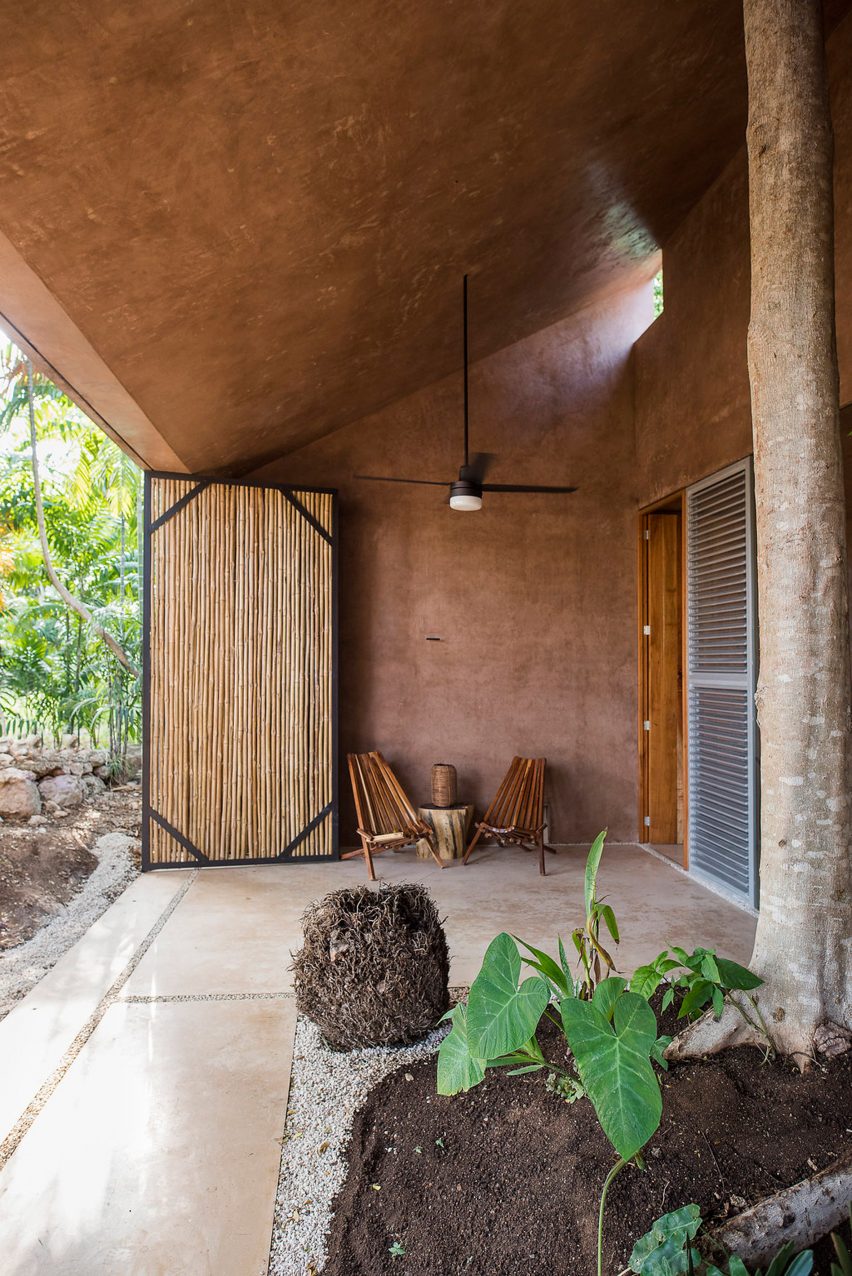
Part of the project's name, Palmetum, means a place where palm trees flourish. Many of these have been integrated into the building, which has circular holes in the ceiling for the trunks to reach up through.

The structure is also located near a plant nursery, Vivero Cholul, in the heart of a historic Mayan-colonial community.

"For the visitors, the objective was to establish a sensorial connection with architectural-constructive values promoted by the workshop," said TACO.

The bamboo panels that run across the front of the studio – which open and close to control privacy, security, and sunlight – were produced locally.

Burnished stucco lines all of the walls and ceilings, and was naturally pigmented with the earth from the site.

The overall design takes cues from Mayan vernacular architecture, as well as local Franciscan convents and Yucatan haciendas. "The construction system – based on blocks, joists and cement slabs – is the most common in the region," said TACO.

A flat roof was cast in-situ with waterproofed concrete and is thermally insulated with polystyrene panels, while hydrosanitary facilities separate grey and black water on-site.

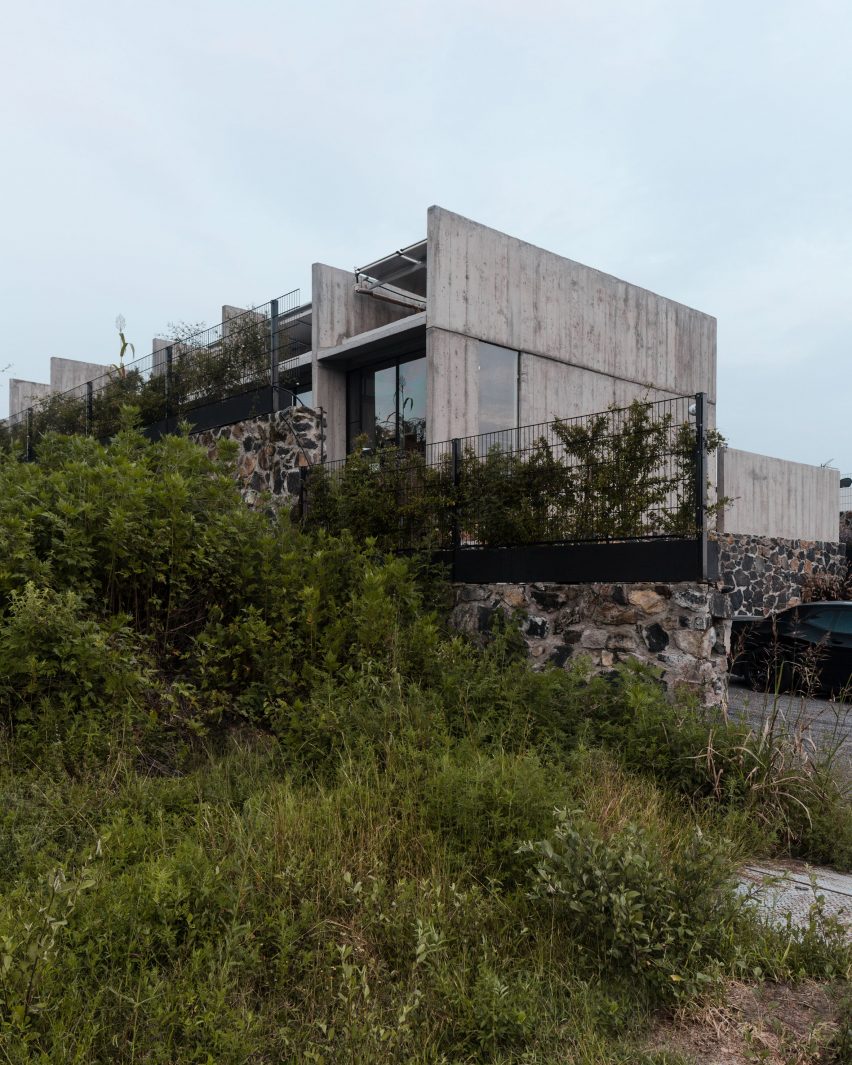
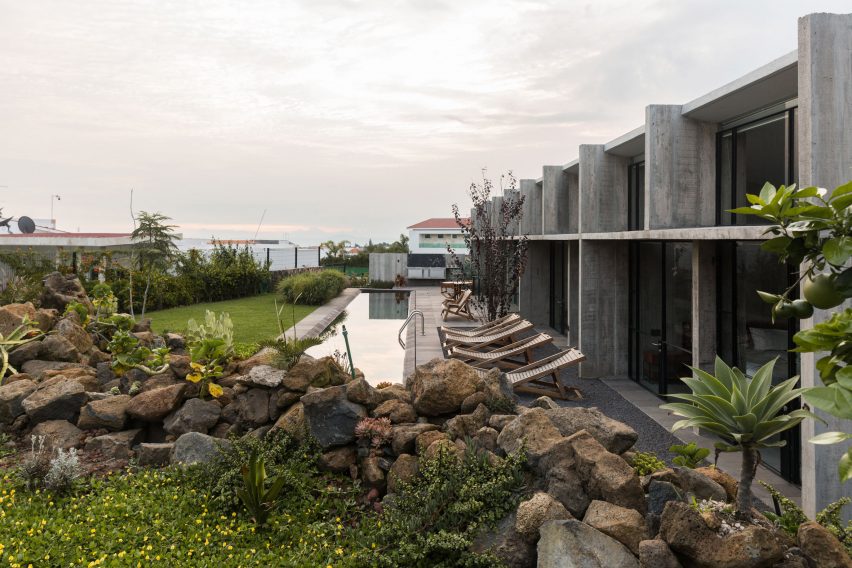
Board-marked concrete walls frame pool views from AT House


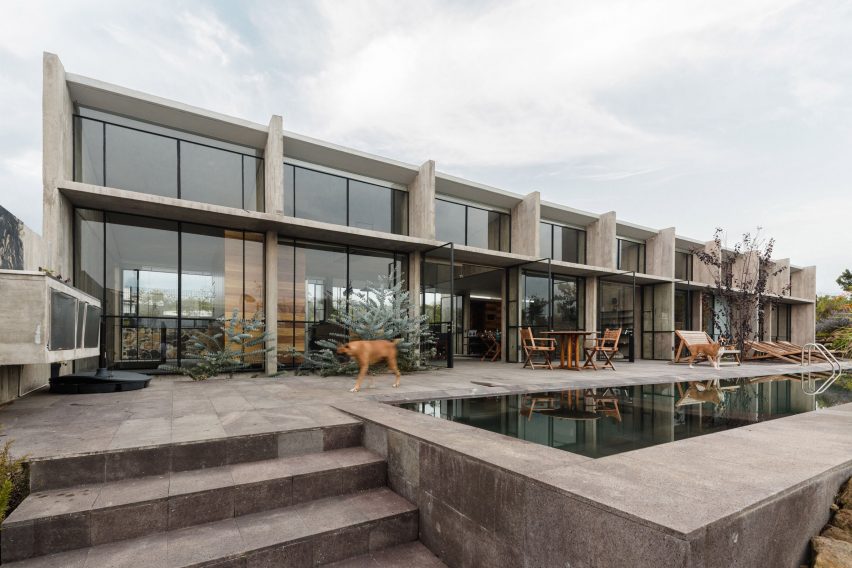
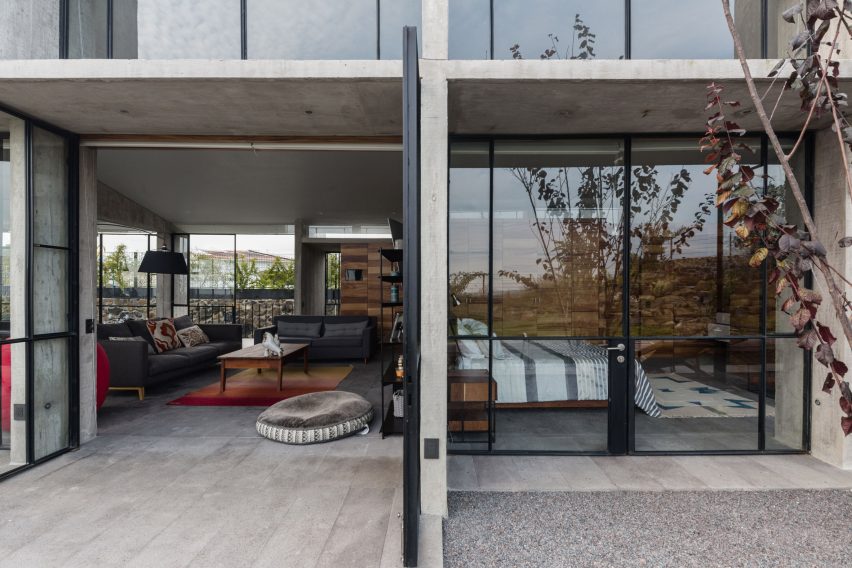
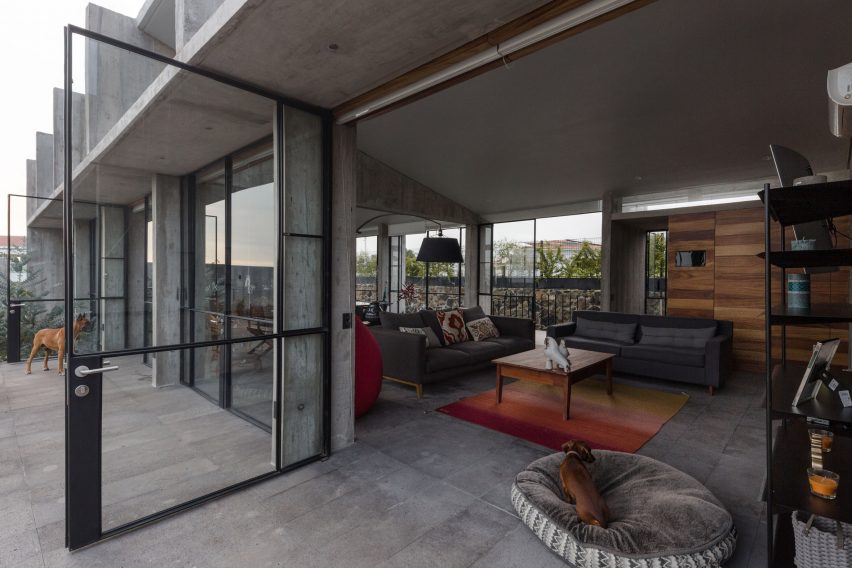
Ten glazed sections divided by board-marked concrete walls are lined up to form this long Mexican house, designed by architect Laurent Herbiet.

Herbiet, who runs the Mexico City-based studio Hrbt, completed AT House at the top of a hill in Oaxtepec – a town in the north of Mexican state Morelos – for a couple with dogs.


The architect gave the 320-square-metre residence a slender shape. He placed large expanses of glazing on the longer southern wall, in order to make the most of the elevated vantage of views to a valley at the rear.

The glazing, which also runs along the northern side, slots between shorter, perpendicular board-marked concrete walls.

The concrete, textured by the imprints of wooden boards, is intended to block views from the street on the eastern side and neighbouring properties to the west.

"The house is located on the highest point of the hill, it gazes mainly inward, to avoid the neighboring street, and a series of greenery filters views of the Oaxtepec Valley, the fields and the sky," said a statement from Hrbt.

Pairs of glazed doors run along the south side, to open all the interiors onto the terrace and the narrow pool that runs parallel to the house. As well as providing a connection between the two areas, the glazing is also intended to reflect the sunlight onto the pool's water and heat it naturally.

The mono-pitched concrete roof above slopes up from the northern wall, creating space for another window on the top of the southern wall. This upper level slightly protrudes to offer shade from the strong sunlight to the floor below.

Ras-A Studio overhauls mid-century House Under a Bridge in LA


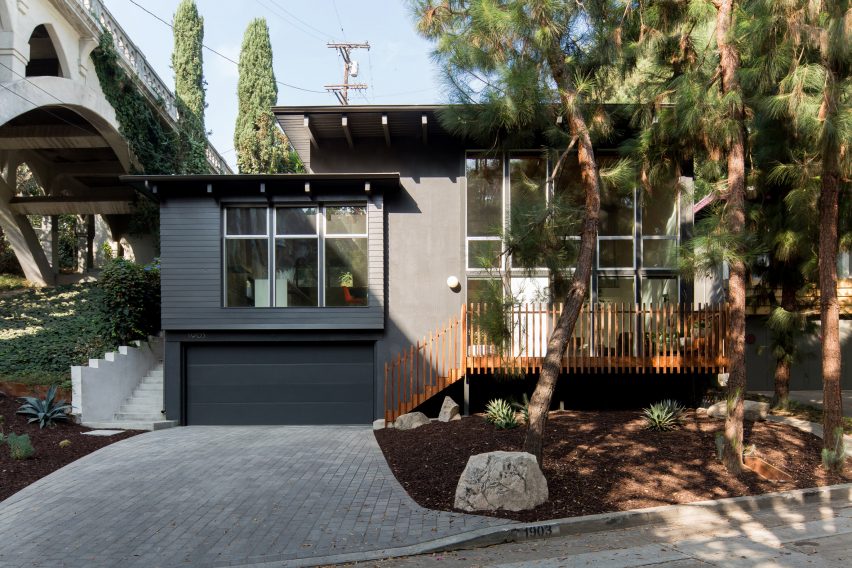
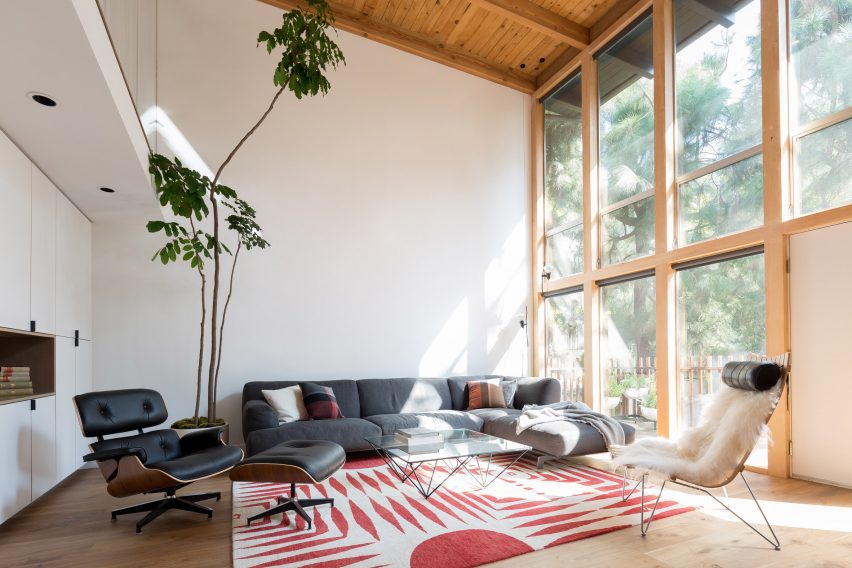
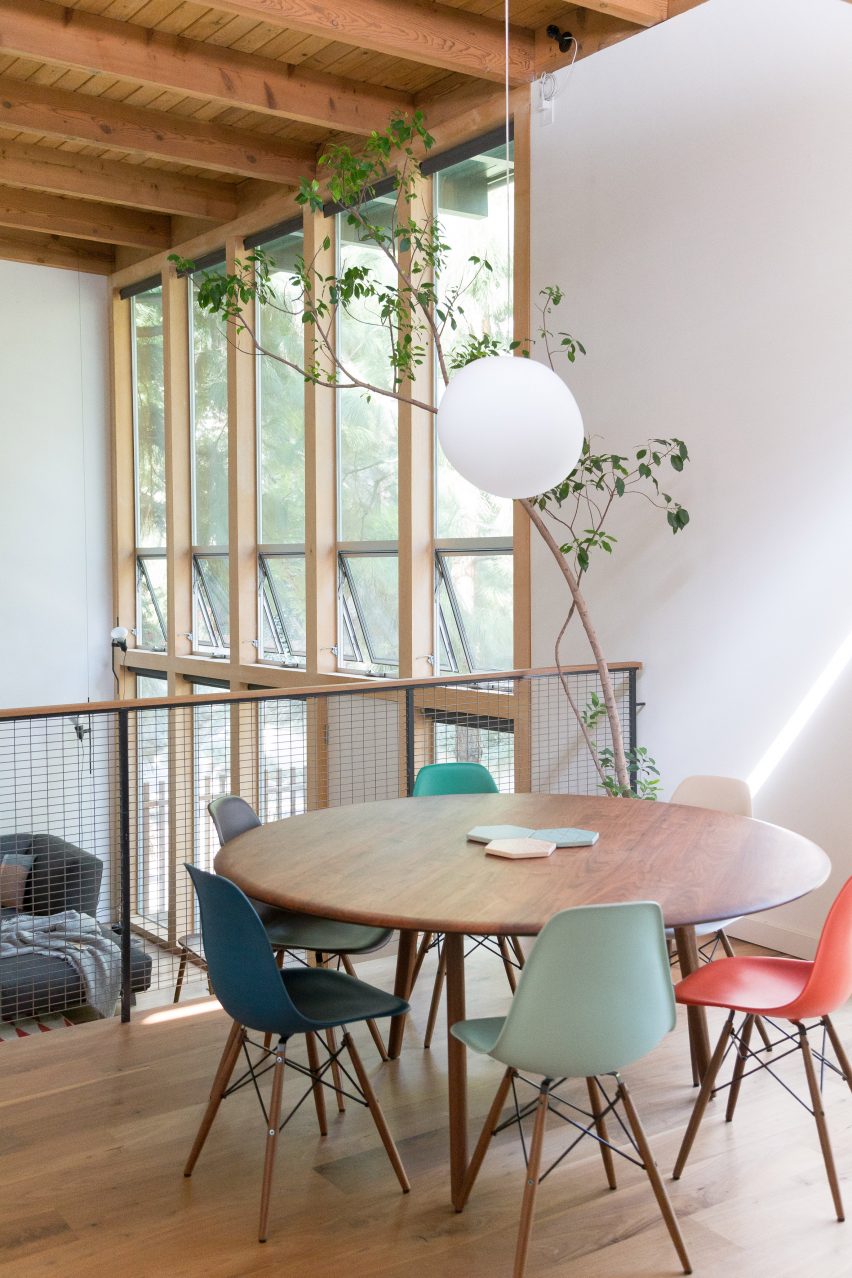
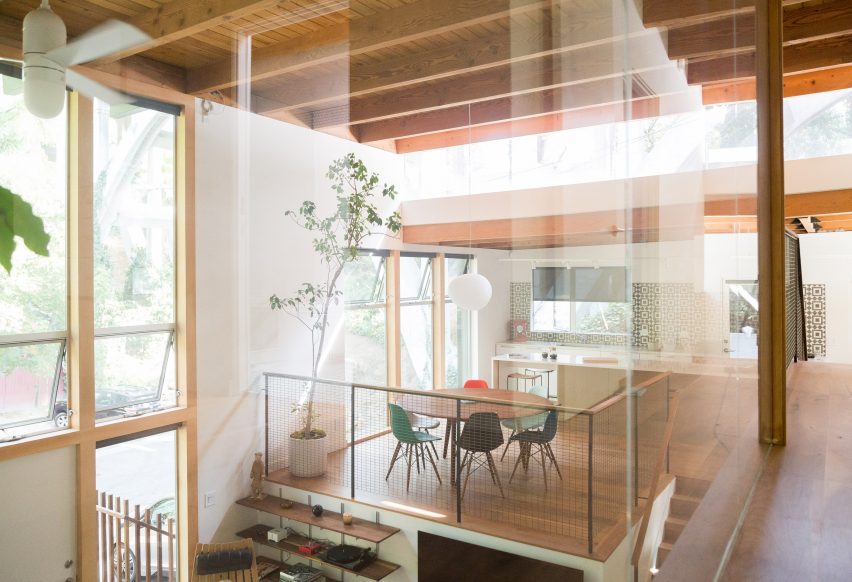
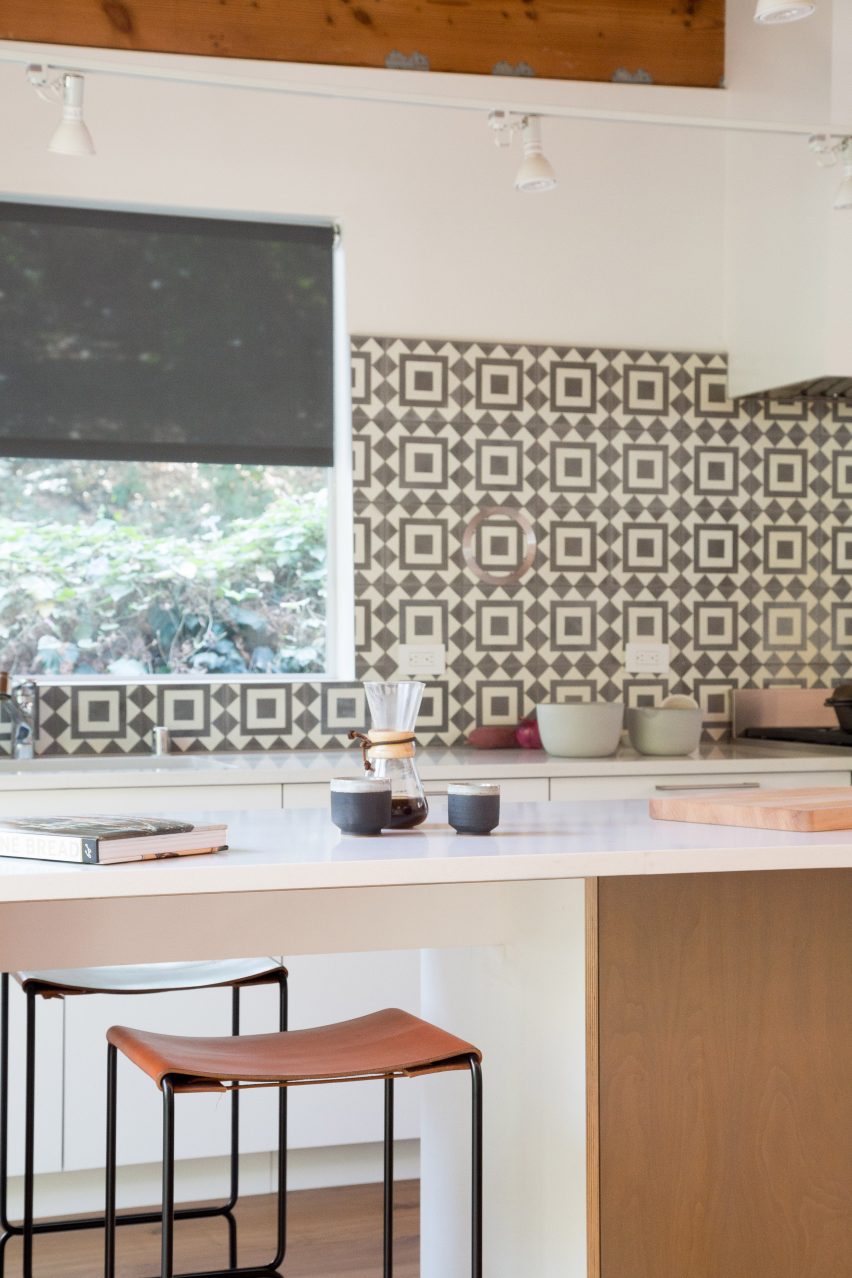
A dated hillside residence in Los Angeles has been overhauled with light-filled interiors and a new stairwell by local firm Ras-A Studio.

The renovation of the mid-century-modern building was completed by Robert Sweet of Ras-A Studio, based nearby in Redondo Beach, for a creative director based in LA.


The client spent some time living the in property before the architect was brought on board to rethink its spaces.

"David waited to see out how the house lived — to figure out what worked and what didn't," said Sweet.

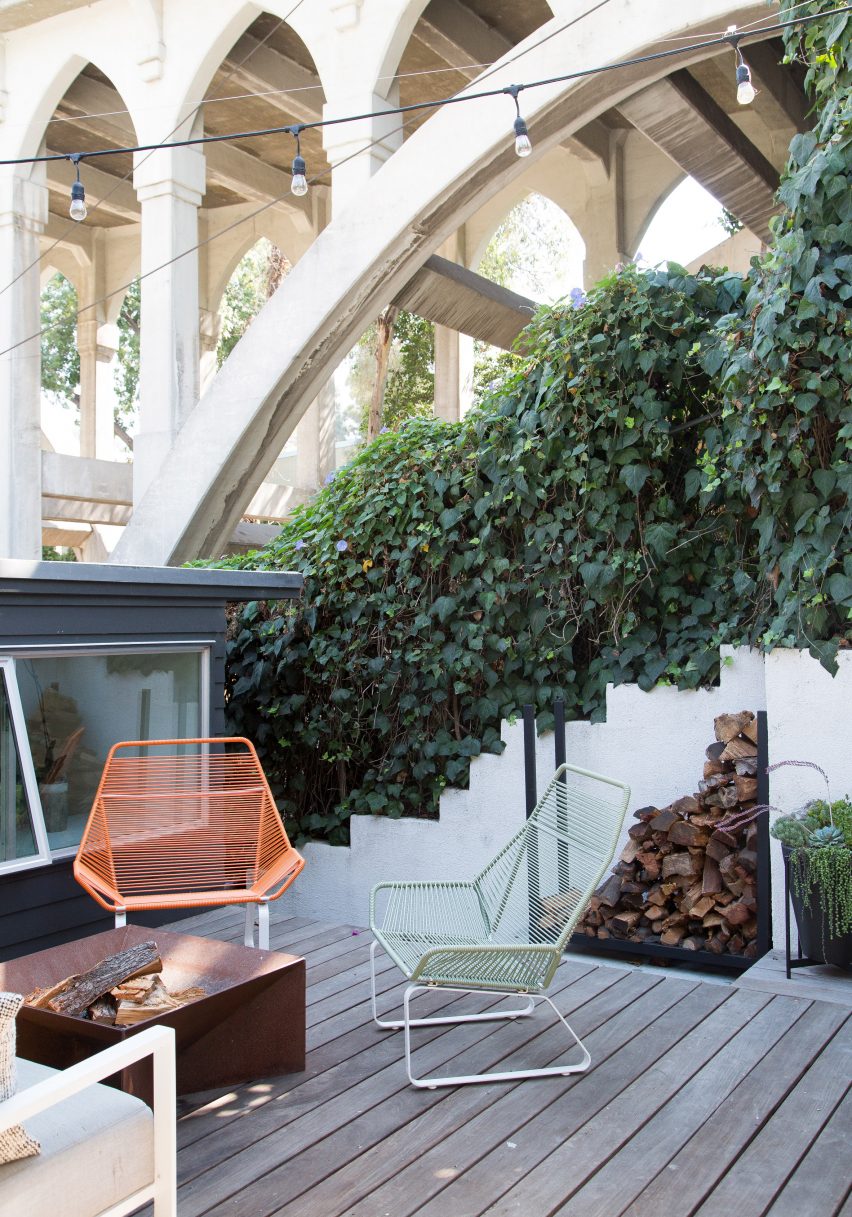
The residence, now known as House Under a Bridge, is located beneath the Shakespeare Bridge in the Los Feliz neighbourhood. The overpass features arched supports and gothic-style turrets that is visible from an outdoor patio.

"We really wanted to view this architecture from the house, so we replaced a solid wall between the shifting roof planes with a clerestory window," the architect said.

The two-storey building measures 1,312 square feet (square metres), with a refurbished double-height living room and lofted dining area among the principle interior spaces.

The homeowner requested an extension for a new guest bath and laundry room, but "due to the hillside zoning constraints, we could not expand the building footprint", the architect said.

Therefore, a small addition was built under an existing crawl space below the upper level, in order to accommodate these extra rooms.

Benjamin Hubert's modular furniture introduces new method of bonding textiles


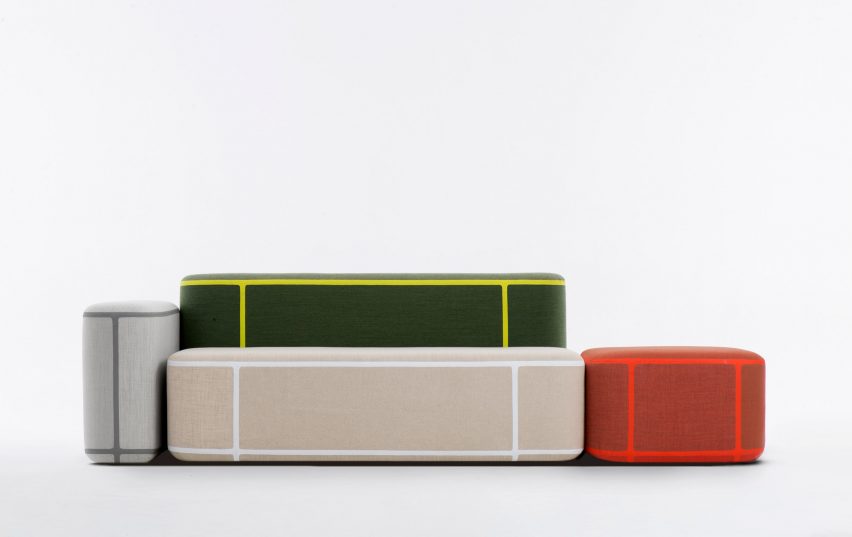
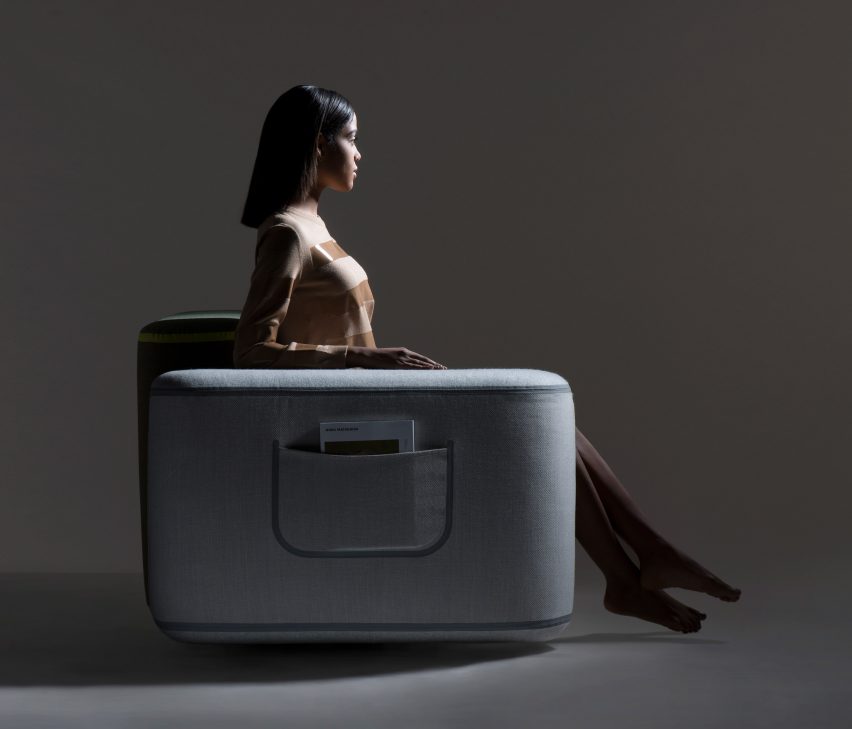
Benjamin Hubert's design studio Layer has launched a new furniture collection for Moroso, which introduces a new way of bonding upholstery textiles together.

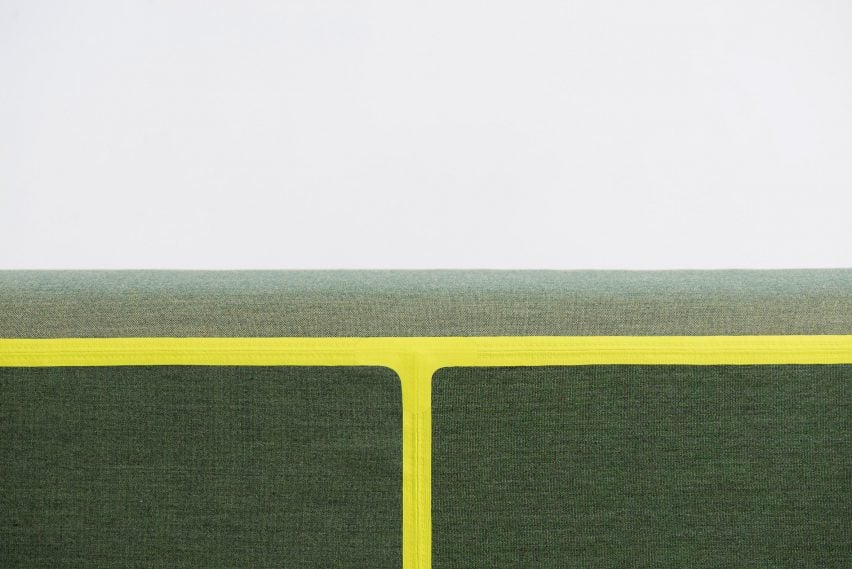
The project and collection, called Tape, consists of a modular sofa and table that have both been fixed together using a heat-sealing tape.

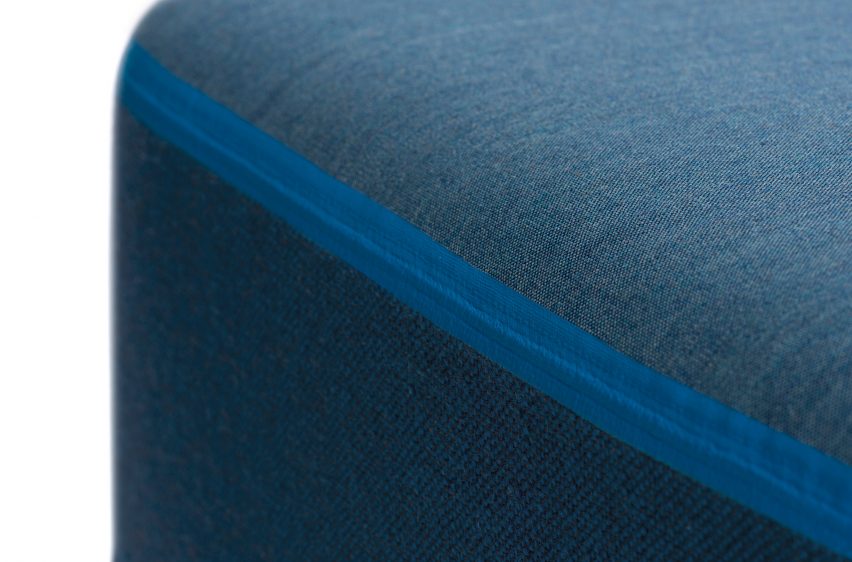
The tape, consisting of polyurethane rubber, is used to bond smaller pieces of textile together that, according to Hubert, would otherwise be discarded in the upholstery process and treated as waste.


Layer's new technique was inspired by the tape traditionally used to waterproof and protect the seams in sporting goods, such as skiing and snowboarding jackets and wet-weather gear.

"We saw an opportunity to create an upholstered product that is completely waterproof so it can be used for outdoor use whilst protecting the seams from wear and tear – so the product would last longer too," said Hubert.

"It's a bit like athleisure for furniture," the designer told Dezeen.

Layer teamed up with a technical garment manufacturer – whose name remains a secret – to develop the tape technology for use in furniture products.

Now applied to textiles, the polyurethane tape is applied with heat and pressure to the seams of upholstery, using advanced heat-bonding machinery, in order to fix the different elements together.

"At Layer we are always looking at fashion and technology trends in parallel industries. The Tape collection for Moroso is inspired by the technical and aesthetic properties of snowboard jackets, a technique we find fascinating," said the brand.